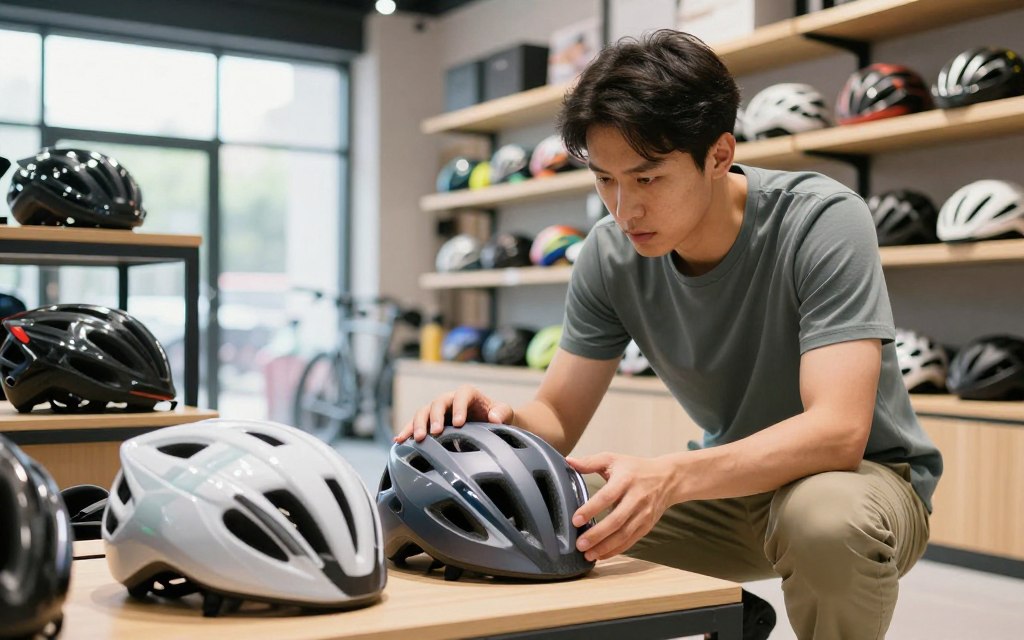
MIPS technology is a reasonable extra feature to consider when you choose a helmet for riding. It is not a substitute for a proper fit or basic safety requirements, and no helmet can prevent every injury in a crash.
Your choice may come down to added rotational-impact protection or a comfortable helmet that fits well and stays within your budget. A well-fitting helmet without MIPS can still be a sound choice. The right helmet is one you will wear each ride.
Before deciding, it helps to know what the system is designed to do and what the evidence can show. This guide explains the mechanism, the limits of testing, and the details that matter when you compare helmets.
Key Takeaways
- MIPS is an optional feature designed to address rotational motion during some impacts.
- A good fit and applicable safety requirements still come first.
- Laboratory tests can measure motion, but they cannot promise an injury-free crash.
- Compare helmets that fit you, then weigh the MIPS feature and cost.
- Replace a helmet after an impact, even when its shell looks undamaged.
What Does a MIPS Layer Do During an Impact?
A MIPS layer sits inside the helmet, between the rider’s head and the helmet’s inner structure. In a crash, the thin, low-friction component is designed to move slightly relative to the head, offering a different kind of impact protection.
The layer can move about 10-15 millimeters during an impact. It is intended to reduce some rotational forces transmitted to the head, while the EPS liner absorbs impact energy by crushing.
How the low-friction layer moves
The MIPS layer is a thin component fitted inside the helmet. Its low-friction surface lets the shell and inner layer shift a small amount instead of staying fully fixed to the rider’s head.
The system is designed to move during an impact, not during ordinary riding. The exact feel and layout can vary with helmet design. The manufacturer’s description of its MIPS helmet technology explains this intended motion.
A HexArmor FAQ also describes about 10-15 millimeters of movement in its discussion of MIPS for industrial helmets. That figure helps explain the basic idea, though an industrial helmet is not a bicycle helmet.
Related Posts:





What that movement is designed to change
The MIPS layer and EPS liner have different jobs. EPS foam compresses to manage impact energy, while the sliding layer is designed to change how much rotational motion reaches the head.
The layer does not remove all force, stop every head movement, or make a helmet injury-proof. Its function is one part of a larger helmet design, which includes the shell, foam, straps, and fit.
The MIPS layer is designed to move about 10-15 millimeters and reduce some rotational forces. It does not make a helmet injury-proof.
That movement matters because many real strikes arrive at an angle, not straight on.
Why Do Angled Impacts Matter to the Brain?
A straight-on strike pushes the head in one main direction; an angled strike can also twist it. An oblique impact is an angled strike that can make the head rotate as well as move in a straight line.
Rotational motion can strain brain tissue and contribute to brain injury. Helmet designers consider this motion alongside the force that moves the head directly.
How a rotating head can strain the brain
The brain sits within the skull, and a quick turn can cause motion between the brain and surrounding tissue. That movement may place strain on brain tissue, though the result depends on the crash and the person.
Three parts help explain the concern:
- An angled strike applies force from the side or another slanted direction.
- The head may rotate as it moves after the strike.
- That motion can strain brain tissue and raise concern about injury.
The brain’s response is not the same in every crash. The force, angle, speed, and point of contact can differ, so the same helmet design cannot ensure the same outcome.
Why real crashes are not always straight-on
A rider may hit the ground, a curb, or another surface while falling forward or sideways. The helmet can meet the surface at a slant, rather than with a direct, level blow.
Real-world impacts often occur at oblique angles of about 30-60 degrees. The MIPS explanation of rotational motion describes why angled impacts can create rotation and why helmet design may address it.
That range describes common impact angles, not a prediction for each fall. Laboratory tests can study rotational motion under set conditions, but those results have limits.
What Does the Evidence Show About MIPS Protection?
The strongest case for MIPS comes from its performance in specific angled-impact tests, not from a promise of crash-proof protection. Tests measure how a helmet responds under chosen conditions, not every possible crash.
Some tests found lower rotational motion with MIPS, but that does not prove one helmet prevents a specific injury in every crash. The findings support a measured advantage in some rotational-impact tests, not a guarantee of superior protection overall.
What laboratory tests have measured
One drop-test study ran 72 tests on a single helmet model, with and without MIPS. It used three head-form conditions, three impact orientations, and four impact speeds.
Each test used a 45-degree anvil. Across the tested conditions, the helmet with MIPS showed lower peak angular kinematics, a measure of rotational movement during impact.
A separate assessment compared 27 commercially available helmets in oblique impacts and modeled brain strain. A 2022 comparison found lower peak rotational acceleration for MIPS at front and side impact sites than for a traditional helmet.
What those results do not establish
Lab tests use controlled setups, so researchers can compare helmets under similar conditions. They cannot reproduce every rider, surface, speed, helmet fit, or crash sequence.
The table separates what each assessment measured from what it cannot prove:
| Test setup | Measure or result | What the result cannot establish |
|---|---|---|
| 72 tests on one helmet model, 45-degree anvil | Lower peak angular kinematics with MIPS across tested conditions | That all MIPS helmets reduce motion equally or prevent every injury |
| 27 helmets in oblique impacts | Helmet response and modeled brain strain | That a modeled result predicts a specific rider’s outcome |
| 2022 front and side impact comparison | Lower peak rotational acceleration for MIPS than a traditional helmet | That every crash site or impact condition gives the same result |
Reduced rotational acceleration in a lab is useful evidence about that test, but it is not direct proof of fewer brain injuries in every real crash. The phrase “Are MIPS helmets better?” needs a careful answer: they show a measured advantage in some rotational-impact tests, while total protection still depends on the helmet and crash.
Those limits make design comparisons useful, as long as they do not become claims that one system always wins.
How Does MIPS Compare With Other Rotational Systems?
A conventional helmet relies on crushable foam, while some designs also address movement during an angled strike. Each approach has a different design, and none is best in every case.
EPS foam manages impact energy; other systems add design features intended to address motion or rotational force. The results can vary by helmet model and impact condition.
This table compares the main design approaches at a basic level. A system name alone does not show how a full helmet performs.
| Approach | Design feature | What it is intended to do |
|---|---|---|
| Conventional EPS liner | Crushable impact-absorbing foam | Absorb impact energy as the foam compresses |
| MIPS | Low-friction sliding layer | Allow slight movement intended to reduce some rotational force |
| WaveCel or Koroyd | Collapsible cellular structures | Deform under impact as part of the helmet’s protection design |
| SPIN | Shear pads | Provide rotational damping through movement at the pads |
These features sit within a larger helmet design. The shell, foam, straps, and fit all affect how a helmet works as a whole.
WaveCel and Koroyd use cellular structures that can collapse under force. SPIN uses shear pads, while MIPS uses a low-friction layer. These descriptions explain design intent, not a ranking.
The difference between systems may matter to a buyer, but no single feature tells you how every helmet will perform. Designs and results vary by helmet and impact condition, so compare the full helmet rather than its system label.
That leaves a personal choice: whether an extra rotational feature suits your needs and budget.
Is MIPS Technology Worth It?
MIPS may be worth choosing when a helmet already fits well and meets the relevant safety requirements. If two helmets suit you equally, this added protection feature is reasonable to consider.
A properly fitting certified helmet without MIPS is better than a poorly fitting MIPS helmet or riding without a helmet. Fit and baseline safety come first.
When the added protection may make sense
For beginners, MIPS can be an optional feature to weigh after choosing a helmet that fits and meets safety requirements. You do not need special riding experience to consider it.
Should you buy a MIPS helmet? If the helmet fits, suits your activity, and its extra cost feels reasonable, it can be a sensible choice. The system is designed to address rotational motion, which is a different concern from impact energy absorbed by foam.
It can also help to compare similar helmets in person. One model may feel secure on your head while another shifts, even if both carry the same feature label.
When fit and budget take priority
Skip a MIPS model if its shape does not fit your head or if the price forces you to choose a helmet you will not wear. A basic helmet that fits and meets the applicable requirements offers a stronger choice than an uncomfortable upgrade.
Use this short list when comparing options:
- Compare fit before comparing optional features.
- Confirm the helmet meets the safety requirements for your use.
- Consider whether the additional cost fits your budget.
- Choose a helmet you will wear consistently on every ride.
For a beginner, a comfortable helmet worn on every ride is a practical start. If you lean toward MIPS, weigh the price difference before comparing specific helmets.
How Much More Does a MIPS Helmet Cost?
A MIPS version of the same helmet model typically costs about $40 more than its non-MIPS version. The actual difference can change with the helmet’s design and feature level.
Compare versions of the same model instead of assuming every MIPS helmet costs more than every non-MIPS helmet. Ventilation, aerodynamics, and the helmet tier can also affect the price.
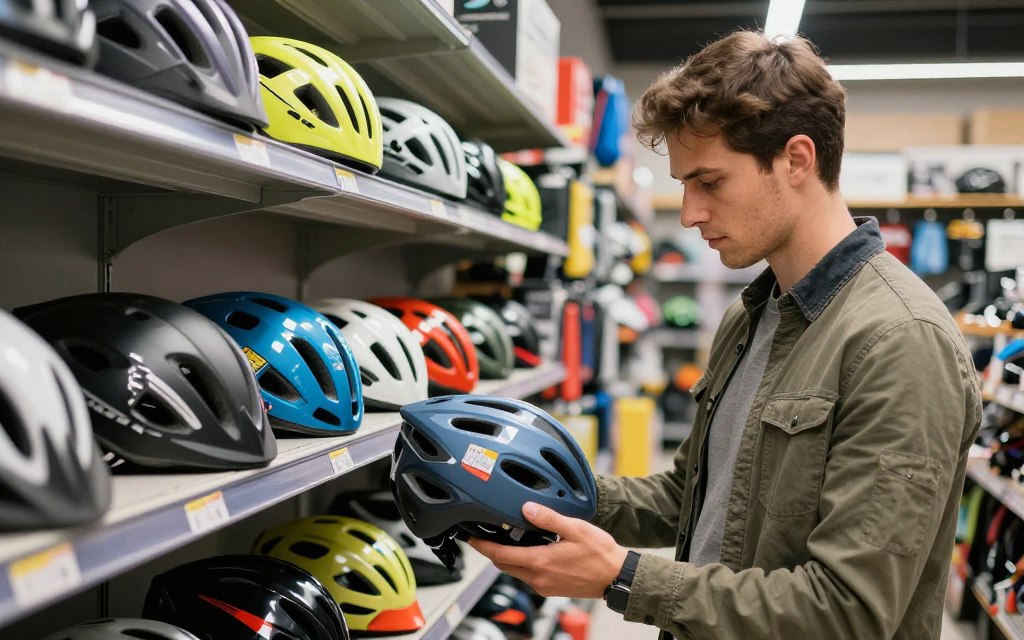
A basic model and a premium model may differ in several ways besides the rotational protection system. A higher price may reflect a different shell shape, airflow design, or performance focus.
Like-for-like comparisons make the amount easier to judge. Check whether two helmets share the same model name and feature level before treating the price gap as the cost of MIPS alone.
A premium helmet can cost more than an entry-level model without MIPS, so a simple MIPS versus non-MIPS comparison across brands may mislead. Price depends on the helmet design and included features, not just the inner layer.
Once you have compared the cost, try each helmet on. The layer and shell design can affect how a helmet feels on your head.
Do MIPS Helmets Fit and Feel Different?
The right fit matters more than whether you notice the inner layer. Different helmet designs can feel different, so try one on rather than judging by a label or photo.
A helmet should sit level, stay stable when you shake your head, and have a snug chin strap. A helmet that shifts or pinches is not a good fit.
How to check the fit on your head
Set the helmet level, with the front just above your brow. It should cover the top of your head without tipping far back or down over your eyes.
Shake your head gently from side to side. The shell should stay stable rather than slide around. Fasten the chin strap so it feels snug, then check that two fingers fit between the strap and your chin.
Place the strap dividers just below your earlobes. The straps should form a comfortable V around each ear, without rubbing or pulling the helmet out of place.
What to avoid wearing under a helmet
A thick beanie or winter toque can change how the helmet sits and reduce the fit you checked. Do not wear either under a helmet.
Hair, head shape, and helmet design can also affect comfort. If the helmet presses on one spot or shifts during a head shake, try a different model instead of relying on tighter straps.
A MIPS layer does not excuse a poor fit, and a noticeable layer is not a sign that the helmet is wrong. Choose the helmet that feels stable on your head and suits your riding needs.
With fit settled, compare safety information and the kind of riding the helmet is meant to cover.
How Do You Choose a Safe Bike Helmet?
Start with fit and safety compliance, not a logo or one special feature. A safe choice should suit your activity, stay secure on your head, and meet the relevant requirements.
In the United States, bicycle helmets sold must meet the CPSC standard. Virginia Tech’s STAR evaluation offers another comparison point, with ratings up to five stars.
Check certification and independent ratings
The CPSC standard is mandatory for bicycle helmets sold in the United States. It gives buyers a baseline for safety compliance, rather than a ranking of every helmet.
The Virginia Tech STAR evaluation rates helmets on a scale of up to five stars. Its higher-rated helmets include models with and without MIPS, so the label alone does not determine the rating.
A high rating can help you compare options, but it does not replace a proper fit. The same is true of a MIPS label or a well-known brand name.
Compare the helmet on your head, not just on paper
Use this table while trying a helmet on. Each cue should be checked with the helmet in its normal riding position.
| Fit check | Good cue | Adjustment or concern |
|---|---|---|
| Level position | Front sits just above the brow | Raise or lower it until level |
| Movement when shaking the head | Helmet stays stable | Try another size or model if it shifts |
| Chin-strap slack | Snug, with room for two fingers | Adjust the strap if loose or tight |
| Strap-divider placement | Dividers sit just below earlobes | Move dividers to form a comfortable V |
To choose a helmet, first find one that fits, then match its style to your activity. Consider certification and independent ratings before comparing optional features.
If you are shopping for a MIPS bike helmet, use the same checks. No single brand is automatically the No. 1 helmet brand for every rider, since head shape and use differ.
Beginners and mountain bikers may need different helmet coverage and designs, so their priorities can narrow the choice.
What Should Mountain Bikers and Beginners Prioritize?
A new rider can start with a comfortable helmet that fits, while a mountain biker should also consider terrain and coverage. Riding style changes what helmet shape makes sense.
MIPS is an option for mountain biking, not an automatic requirement. The right choice depends on the helmet, the fit, and the rider’s needs.
Choosing for mountain-bike terrain
Mountain bike helmets come in designs for different kinds of riding and coverage. Think about where you ride and how much of your head the helmet is built to cover.
Is MIPS technology worth it for MTB? It may be worth considering when a MIPS helmet fits well and suits the ride, but mountain biking does not make the feature essential for every rider.
The best mountain bike helmets for men depend on riding style, head shape, fit, and intended coverage, not gender alone. A helmet that works for one rider may not sit securely on another.
Starting with practical, consistent protection
Beginners do not need to choose the most complex helmet. A comfortable model that fits securely and meets the right requirements can help make wearing a helmet part of each ride.
Keep these priorities in view:
- Choose an appropriate helmet style and level of coverage.
- Make sure the helmet fits securely on your head.
- Confirm that it meets the requirements for your use.
- Pick comfort you can sustain for the length of your rides.
Try several shapes if the first helmet feels tight in one spot or moves when you turn your head. Comfort matters because a helmet left at home cannot protect you during a ride.
After choosing and wearing a helmet, know what to do if it takes an impact.
What Should You Do After a Helmet Impact?
A helmet can look fine after hitting the ground even when its protective structure has been compromised. Visible damage is not a reliable test of whether the helmet remains safe.
Discard a helmet that has been subjected to an impact, even if you cannot see damage. Replace it before riding again.
Stop using a helmet after an impact, whether or not the shell looks damaged. Replace it before your next ride.
An impact can affect parts beneath the shell that you cannot see from the outside. A clean-looking surface does not prove that the helmet can protect you as intended.
Take these steps after a crash or fall:
- Stop using the impacted helmet.
- Do not treat an undamaged appearance as proof it is safe.
- Replace it before riding again.
This advice applies whether the helmet has MIPS or not. The rotational layer does not change what an impact can do to the helmet’s protective structure.
Choose protection you will wear, and replace the helmet after an impact.
Conclusion
Choose MIPS when it fits well and does not come at the expense of applicable safety requirements. The feature is a reasonable extra, but fit comes first.
A non-MIPS helmet can still be a sound choice when it fits properly and meets the relevant standard. No helmet prevents every injury, so choose one that suits your riding and stays comfortable.
Try on several helmets, check fit and certification, and select the option you will wear consistently.
