Light Detection and Ranging (Lidar) is a remote sensing method that uses pulsed laser light to measure variable distances to the Earth’s surface.
The Lidar system works by sending out laser pulses and measuring the time it takes for the reflected light to return to the sensor, allowing for precise distance calculations.
Readers exploring lidar definition amp often end up considering promotion definition as part of the same topic.
This technology has evolved significantly since its inception in the 1960s and has become crucial in various fields, including autonomous driving, environmental monitoring, and urban planning.
Unlike radar, which uses radio waves, or sonar, which uses sound waves, Lidar utilizes light waves, providing higher resolution and more accurate measurements, thus offering valuable insights.
LiDAR technology is revolutionizing various industries with its precise distance sensing capabilities. LiDAR, or Light Detection and Ranging, is an optical technology that has become a key method for distance sensing, particularly for autonomous vehicles.
Definition and Basic Principles
LiDAR technology operates on the principle of measuring the time it takes for emitted light to bounce off an object and return to the sensor, enabling precise distance calculations. The basic principles of LiDAR involve three primary components: a laser scanner that emits light pulses, a receiver that detects the reflected pulses, and a processing system that calculates distances based on the time of flight.
As noted by experts, “LiDAR is a crucial technology for numerous applications, including autonomous driving, environmental monitoring, and urban planning.”
“LiDAR is an essential tool for creating high-resolution 3D models of the environment, which is vital for various industries.”
The historical development of LiDAR dates back to the 1960s when laser scanners were first mounted on aircraft. However, it gained significant popularity in the 1980s after the introduction of GPS technology. Early LiDAR systems were primarily used for military applications, but their use has expanded dramatically into civilian and commercial sectors over the decades.
Year
Development
1960s
Laser scanners were first mounted on aircraft
1980s
Introduction of GPS technology
Present
LiDAR technology is used in various industries, including autonomous vehicles and environmental monitoring
What is LiDAR Technology and How Does It Work?
LiDAR, or Light Detection and Ranging, is a remote sensing method that uses laser light to measure distances to objects. This technology has become crucial in various fields, including environmental monitoring, urban planning, and autonomous vehicles.
The Science Behind Light Detection and Ranging
The science behind light detection and ranging relies on the principle that light travels at a constant speed (approximately 186,000 miles per second). By emitting rapid pulses of laser light and measuring the time it takes for these pulses to bounce back from surrounding objects, LiDAR systems can calculate precise distances.
Modern LiDAR systems can emit millions of light pulses per second, creating detailed point clouds that represent the three-dimensional structure of the environment. This capability allows for highly accurate mapping and detection of objects, making LiDAR ideal for applications requiring detailed environmental analysis.
Time of Flight Measurement Principles
Time of flight measurement is the core principle of LiDAR technology. The distance to an object is calculated using the formula: Distance = (Speed of Light × Time of Flight) ÷ 2. The division by 2 accounts for the round trip of the light pulse, ensuring accurate distance measurements.
By leveraging the constant speed of light and precise time measurements, LiDAR technology achieves high-resolution detection of objects. Unlike radar, which uses radio waves, LiDAR’s use of light waves enables the detection of smaller objects with greater precision.
In summary, LiDAR technology works by emitting laser pulses and measuring the time taken for these pulses to return, allowing for the creation of detailed 3D models of the environment. This capability makes LiDAR a powerful tool in various applications, from autonomous vehicles to environmental monitoring.
Core Components of LiDAR Systems
Understanding the core components of LiDAR systems is crucial for appreciating their functionality. LiDAR technology is made up of several key elements that work together to create accurate 3D models.
Laser Scanners and Transmitters
Laser scanners and transmitters are critical components of LiDAR systems, emitting rapid pulses of laser light, typically in the near-infrared spectrum. These pulses are invisible to the human eye but are ideal for detection by specialized sensors.
Receivers and Photodetectors
Receivers and photodetectors capture the reflected laser pulses and convert them into electrical signals. These signals are then processed by the system’s computing hardware to determine the distance and other relevant data.
GPS and Inertial Measurement Units
GPS and Inertial Measurement Units (IMUs) work together to track the position and orientation of the LiDAR system precisely. This information is essential for creating accurate three-dimensional maps.
Component
Function
Laser Scanners and Transmitters
Emit pulses of laser light
Receivers and Photodetectors
Capture reflected pulses and convert to electrical signals
GPS and IMUs
Track position and orientation
The integration of these components requires precise calibration and synchronization to ensure accurate timing measurements, necessary for achieving centimeter-level distance precision.
Types of LiDAR Systems
The versatility of LiDAR is reflected in its different types, each designed for specific uses. LiDAR systems can be broadly categorized based on their platform and application, primarily into airborne LiDAR and terrestrial LiDAR.
Airborne LiDAR
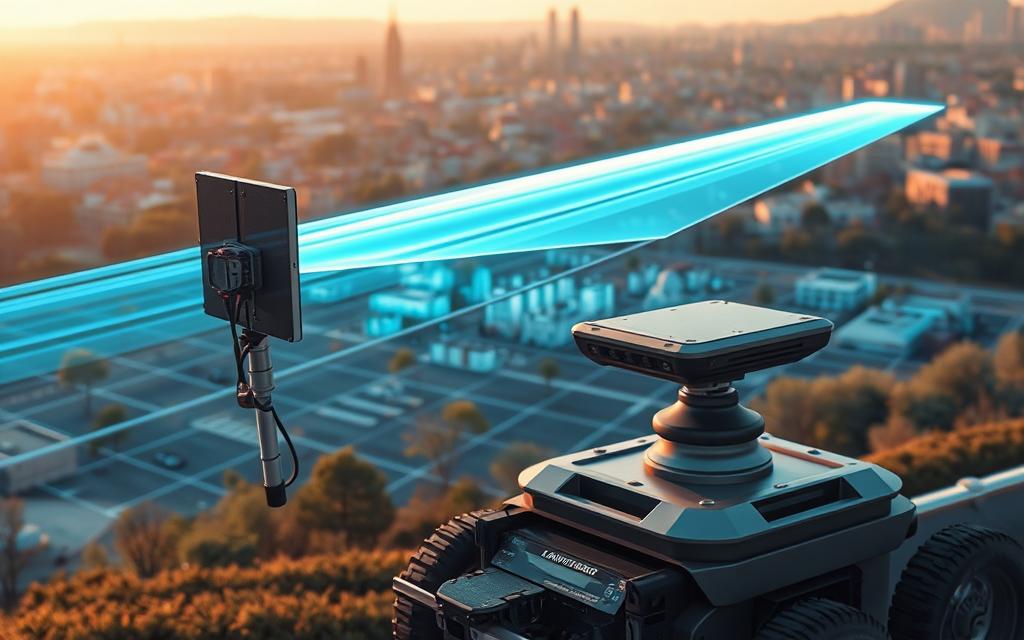
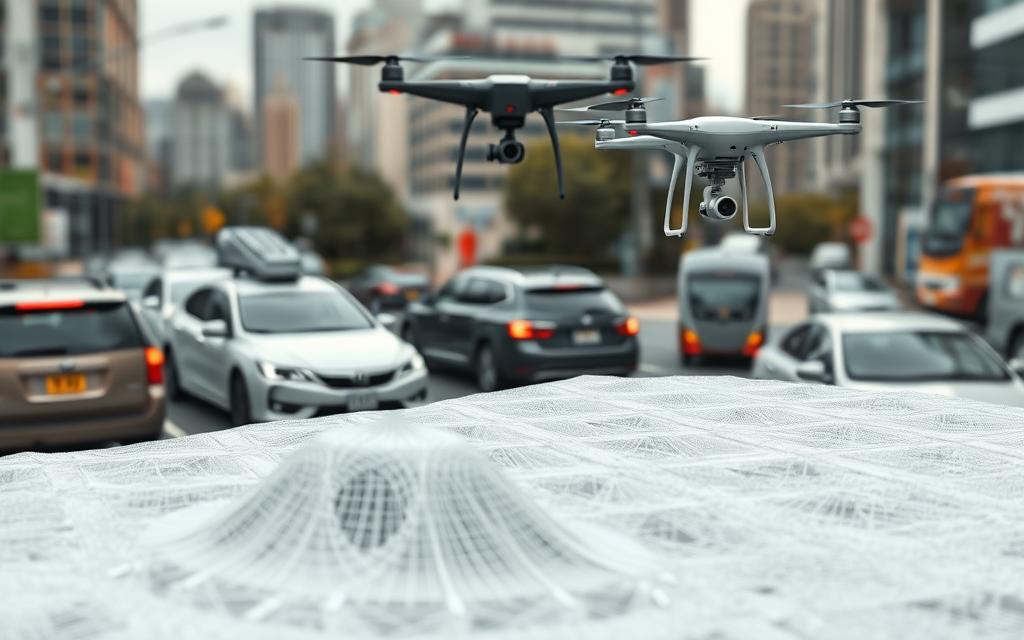
Airborne LiDAR systems are mounted on aircraft or drones and are used to generate 3D models of the ground surface. These systems are particularly useful for large-scale topographic mapping.
Topographic and Bathymetric LiDAR
Airborne LiDAR includes topographic LiDAR, which maps land surfaces, and bathymetric LiDAR, which uses green laser light to penetrate water and map underwater terrain and coastal areas. Bathymetric LiDAR is crucial for hydrographic surveys and coastal zone management.
Space-based LiDAR Applications
Space-based LiDAR involves systems mounted on satellites or spacecraft, used for planetary exploration, atmospheric studies, and large-scale Earth observation missions. These applications expand the scope of LiDAR technology beyond Earth’s surface.
Terrestrial LiDAR
Terrestrial LiDAR is a ground-based system used for terrain and landscape mapping. It provides high-resolution data and is often used in applications requiring detailed topographic information.
Static LiDAR Systems
Static LiDAR systems are mounted on tripods and used for high-precision scanning of specific areas. They are ideal for monitoring structural changes in buildings or landslides.
Mobile LiDAR Systems
Mobile LiDAR systems are mounted on vehicles, enabling continuous data collection while in motion. This capability makes them suitable for corridor mapping, such as along roads and railways.
The different types of LiDAR systems offer unique advantages and are suited to various applications, from environmental monitoring to infrastructure planning. Understanding these types is crucial for selecting the appropriate LiDAR technology for specific projects.
LiDAR systems are categorized into airborne and terrestrial types based on their platform.
Airborne LiDAR includes topographic and bathymetric LiDAR for land and underwater mapping.
Terrestrial LiDAR is divided into static and mobile systems for ground-based applications.
LiDAR Data Processing and Point Clouds
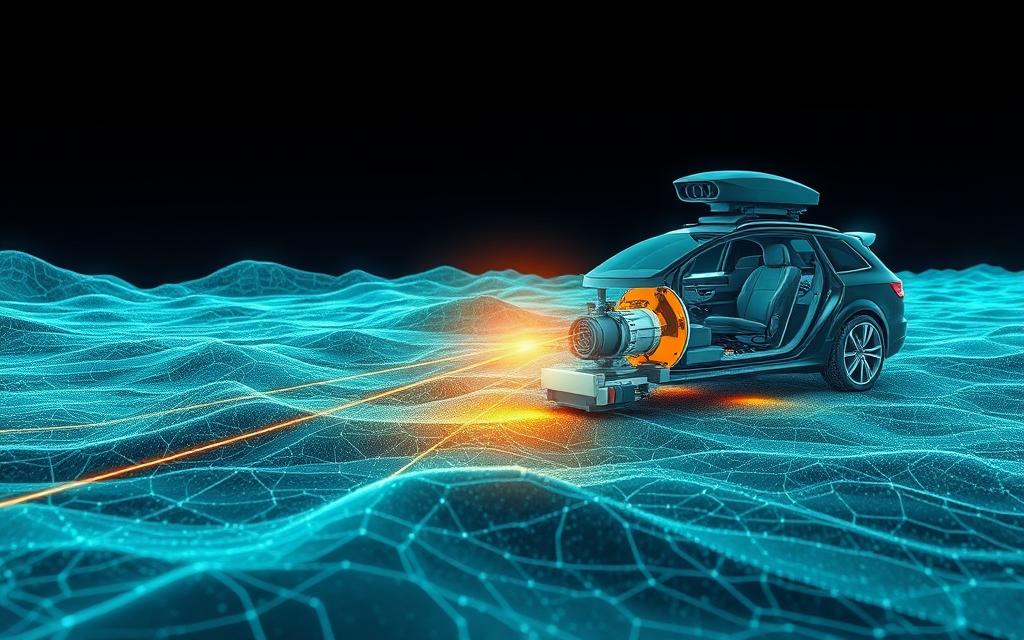
Transforming LiDAR point clouds into accurate 3D representations requires meticulous data processing techniques. The process begins with the collection of raw point cloud data, which consists of millions or billions of individual points, each with precise x, y, and z coordinates representing the scanned environment.
From Raw Data to 3D Models
The LiDAR data undergoes several processing stages to transform the point cloud into a 3D map. First, it is checked for correctness and completeness and cleaned to remove anomalous noise. Then, ground surface features like buildings, riverbanks, and forest canopy can be algorithmically identified and classified. To simplify the analysis, algorithms downsample the point cloud to remove redundant data and reduce file size.
LiDAR Data Formats and Software
The data is then converted into the industry-standard LAS (or LASer) file format used for exchanging 3D x, y, z data. Specialized software tools are required for LiDAR data processing and analysis, ranging from open-source options like QGIS and CloudCompare to commercial solutions such as TerraScan and ArcGIS.
Software
Capabilities
QGIS
Visualization, Classification
CloudCompare
Point Cloud Processing, Registration
TerraScan
LiDAR Data Processing, Modeling
ArcGIS
3D Modeling, Spatial Analysis
Converting raw LiDAR data into usable 3D models requires sophisticated algorithms that can identify patterns in the point cloud and transform them into recognizable objects and surfaces. The resulting 3D models can then be used in various applications, from urban planning to environmental monitoring.
Applications of LiDAR Technology
LiDAR technology has become a cornerstone in various industries due to its versatility and precision. Its applications span a wide range of fields, from environmental monitoring and forestry to archaeology and urban planning.
Autonomous Vehicles and Transportation
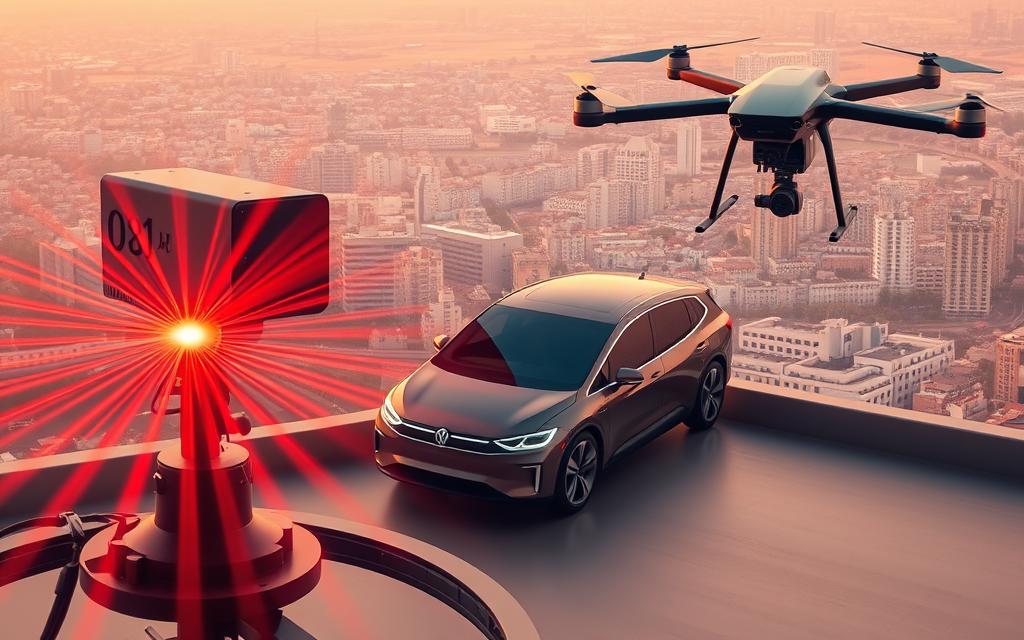
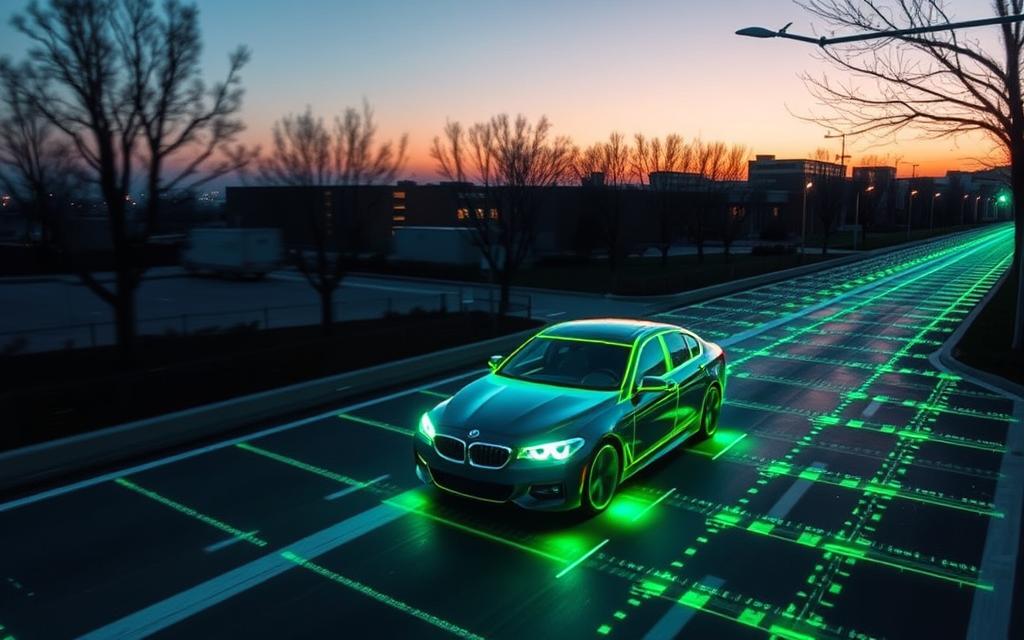
LiDAR technology plays a crucial role in the development of autonomous vehicles, enabling them to create detailed 3D maps of their surroundings, detect obstacles, and navigate safely in complex environments without human intervention. The use of LiDAR in transportation systems enhances safety and efficiency.
In environmental monitoring and forestry, LiDAR is used to measure forest canopy structure, assess biomass, track deforestation patterns, and monitor changes in vegetation over time with unprecedented accuracy. This information is vital for conservation efforts and understanding the impact of environmental changes.
Archaeology and Cultural Heritage
LiDAR has revolutionized the field of archaeology by penetrating dense vegetation to reveal hidden structures. A notable example is the discovery of extensive Mayan ruins in Guatemala, previously obscured by rainforest. This application of LiDAR technology has significantly advanced our understanding of historical sites.
Urban Planning and Smart Cities
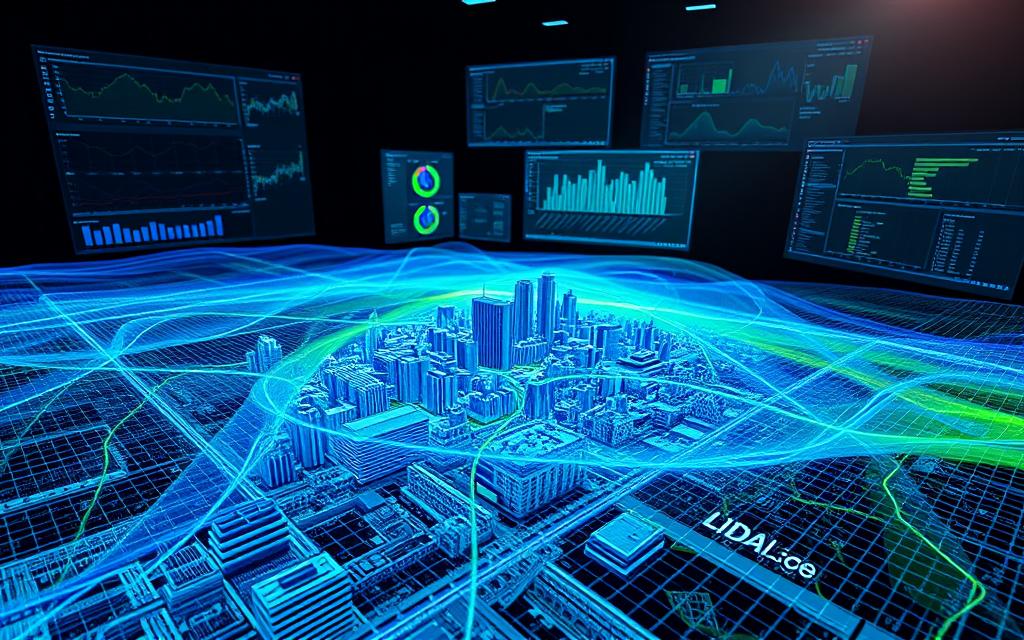
In urban planning and smart city initiatives, LiDAR data is utilized to create detailed 3D models of urban environments. This information helps in analyzing traffic patterns, optimizing infrastructure development, and simulating the impact of proposed changes to the built environment, leading to more efficient and sustainable urban planning.
Agriculture and Land Management
LiDAR technology benefits agriculture and land management by creating precise topographic maps, analyzing soil conditions, optimizing irrigation systems, and enabling precision farming techniques. These applications lead to increased yields and reduced resource consumption, making agricultural practices more sustainable.
The diverse applications of LiDAR highlight its potential to transform various industries. As technology continues to evolve, we can expect to see even more innovative uses of LiDAR in the future.
Challenges and Limitations of LiDAR Technology
Despite its numerous benefits, LiDAR technology faces several challenges that impact its effectiveness. LiDAR systems are not immune to technical issues that can significantly affect their performance.
Technical Challenges
LiDAR technology is confronted with several technical challenges. One of the primary issues is signal interference, where the strong emitted laser beam can reflect back into the receiver, overwhelming the weaker returns from distant objects. Environmental factors such as rain, fog, snow, and dust can also degrade LiDAR performance by scattering the laser pulses or creating false returns.
Signal interference from the emitted beam
Environmental factors like rain, fog, snow, and dust
Limitations on available optical power
Safety concerns due to laser frequency
Device crosstalk from nearby LiDAR devices
Cost and Accessibility Barriers
The high cost of LiDAR systems remains a significant barrier to their widespread adoption. Advanced LiDAR sensors can range from thousands to tens of thousands of dollars, although prices are gradually decreasing with technological advancements. Additionally, power consumption is a challenge for mobile and portable applications, as high-performance LiDAR systems require substantial energy to operate.
The cost and maintenance of LiDAR systems are significant factors that limit their use. However, ongoing development aims to overcome these challenges and produce systems at lower prices for wider use.
The Future of LiDAR Technology
LiDAR technology is on the cusp of a revolution, driven by innovations in solid-state systems and miniaturization. As research teams continuously develop new systems and algorithms, LiDAR’s accuracy, speed, and effectiveness are increasing. This progress is making LiDAR more accessible across various industries and applications.
Emerging Trends and Innovations
The future of LiDAR is being shaped by several emerging trends. Solid-state LiDAR systems are eliminating moving parts, creating more reliable and compact solutions. Some key developments include:
LiDAR-on-chip technology, which integrates components onto semiconductor chips, reducing size, power consumption, and cost.
Integration with complementary technologies like cameras, radar, and artificial intelligence to create more robust sensing systems.
Emerging applications in smartphones for enhanced augmented reality, smart city infrastructure, and robotics.
Miniaturization and Integration with Other Technologies
Miniaturization trends are driving the development of LiDAR-on-chip technology, enabling integration into consumer devices. As LiDAR technology becomes smaller, lighter, and more affordable, its applications are expanding. Autonomous vehicles are a significant beneficiary, with LiDAR expected to play a crucial role in their future development. Other areas benefiting from LiDAR integration include smart home devices and robotics.
As costs continue to decrease and performance improves, LiDAR is likely to become a standard component in many systems where 3D spatial awareness is beneficial. The future of LiDAR technology looks promising, with potential applications in various fields, from forest canopy analysis to remote sensing and beyond.
Conclusion
LiDAR technology has revolutionized the way we interact with and understand our environment. Its ability to provide precise distance measurements and create detailed 3D models offers unprecedented insights into both natural and built environments.
The LiDAR technology has evolved significantly, with applications spanning numerous industries, from forest management to urban planning. As LiDAR systems become more affordable and compact, their integration into everyday technologies will likely accelerate.
The continued development of LiDAR will play a crucial role in addressing global challenges such as climate change monitoring and sustainable resource management. With its laser and sensor capabilities, LiDAR is poised to bring about significant advancements in various areas of our lives.
In conclusion, the future of LiDAR technology looks promising, with potential applications in autonomous vehicles and beyond. As we move forward, the insights gained from LiDAR data will be invaluable in shaping our understanding of the world around us.
FAQ
How does LiDAR technology work?
LiDAR uses laser light to measure distances and create high-resolution 3D models of objects and environments. It works by emitting laser pulses and measuring the time it takes for the pulses to bounce back, a process known as time-of-flight measurement.
What are the main components of a LiDAR system?
A LiDAR system consists of a laser scanner, a receiver, and a GPS and inertial measurement unit. The laser scanner emits laser pulses, while the receiver detects the reflected pulses. The GPS and inertial measurement unit provide location and orientation data.
What are the different types of LiDAR systems?
There are several types of LiDAR systems, including airborne LiDAR, terrestrial LiDAR, and bathymetric LiDAR. Airborne LiDAR is used for mapping large areas, while terrestrial LiDAR is used for surveying and mapping smaller areas. Bathymetric LiDAR is used for measuring water depth.
What are the applications of LiDAR technology?
LiDAR has a wide range of applications, including autonomous vehicles, environmental monitoring, archaeology, urban planning, and agriculture. It is used to create detailed 3D models of environments, monitor changes, and make informed decisions.
How is LiDAR data processed and analyzed?
LiDAR data is processed using specialized software to create 3D point clouds and 3D models. The data is then analyzed to extract insights and information, such as forest canopy height and density.
What are the challenges and limitations of LiDAR technology?
LiDAR technology faces several challenges, including technical challenges, such as data noise and accuracy issues, and cost and accessibility barriers. However, ongoing research and development are addressing these challenges.
What is the future of LiDAR technology?
The future of LiDAR technology is promising, with emerging trends and innovations, such as miniaturization and integration with other technologies, expected to drive growth and adoption. LiDAR is expected to play a key role in various industries, including autonomous vehicles and smart cities.