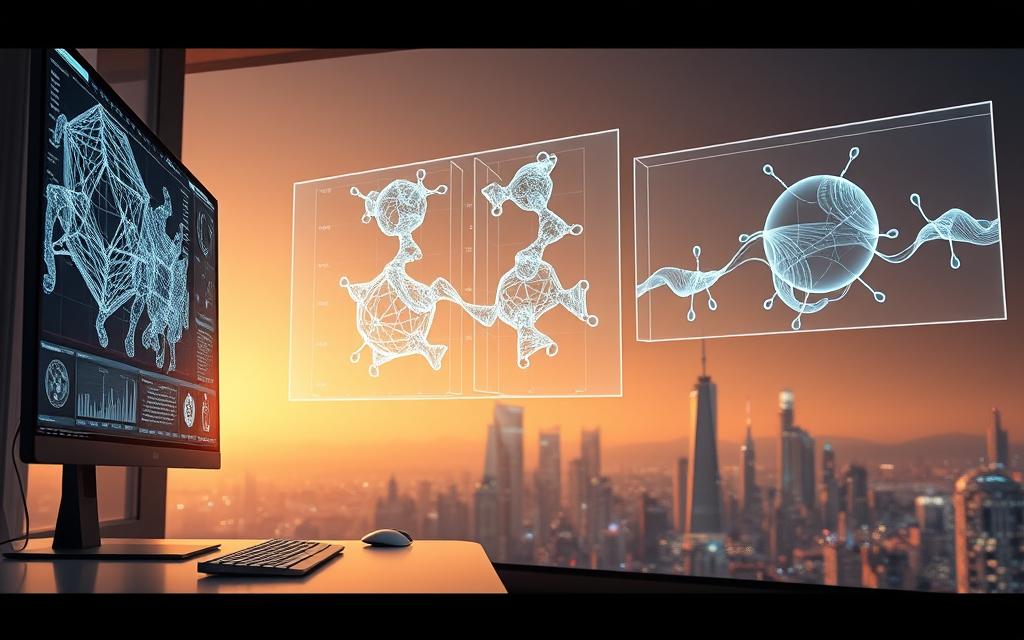
Computer simulations are powerful tools that replicate real-world systems and processes using mathematical models, enabling the prediction of behaviors and outcomes.
By creating virtual representations of physical phenomena, simulations serve as a bridge between theoretical understanding and practical application across various fields, including science, engineering, and business.
Radiologic definition applications also becomes relevant when this topic is compared with nearby questions around simulation definition applications.
The development of simulation technology has evolved significantly, from early mathematical models to sophisticated computer-based simulations that reduce costs, minimize risks, and accelerate innovation.
Understanding Computer Simulation Technology
Computer simulation technology has become a vital tool in various fields, enabling the recreation and prediction of real-world processes. This technology is fundamental in understanding complex systems by simplifying them into manageable models.
Definition and Core Concepts
Computer simulation involves using software to recreate or predict a real-world process. It captures essential details while omitting finer complexities that might slow down or complicate the model. Simulations rely on algorithms and models, where an algorithm is a set of instructions that a computer follows to produce an output, and a model represents the rules describing a phenomenon.
The core concepts of simulation include abstraction, discretization, and validation. Abstraction involves simplifying complex systems, discretization refers to breaking down continuous systems into discrete parts, and validation ensures that the simulation accurately represents the real-world scenario.
The Role of Algorithms and Models
Algorithms and models are crucial in computer simulation. Algorithms translate mathematical models into executable computer code, while models serve as the conceptual framework for simulations, representing the essential relationships and behaviors of the system being studied.
A well-balanced model is key to a successful simulation. It must capture key system behaviors while remaining computationally efficient. The relationship between simulation fidelity and practical utility is also critical, as the most useful simulations are not necessarily the most detailed ones.
Related Posts:
- What is Radiologic Technology? Definition and Applications
- Understanding What Technology Is: Definition and Examples

- What Do You Know About Information Technology: A Guide

- Is Metamorph Technologies a Division of Metamorph…

- New Tech During the Hundred Years War: What Developed

- Exploring the Ethical Issues of Biometric Technology
| Component | Role in Simulation |
|---|---|
| Algorithms | Translate mathematical models into executable code |
| Models | Represent the rules and behaviors of the system |
| Abstraction | Simplifies complex systems for simulation |
What is Computer Simulation Technology?
The essence of computer simulation technology lies in its ability to mimic the behavior of complex systems through computational models. This technology is pivotal in understanding and predicting the outcomes of various real-world systems, from simple mechanical systems to complex biological processes.
Mathematical Foundations
Computer simulation technology relies heavily on mathematical principles, including differential equations, statistical methods, and numerical analysis techniques. These mathematical tools enable the translation of physical laws and empirical observations into computational models that can be analyzed and predicted.
Relationship to Real-World Systems
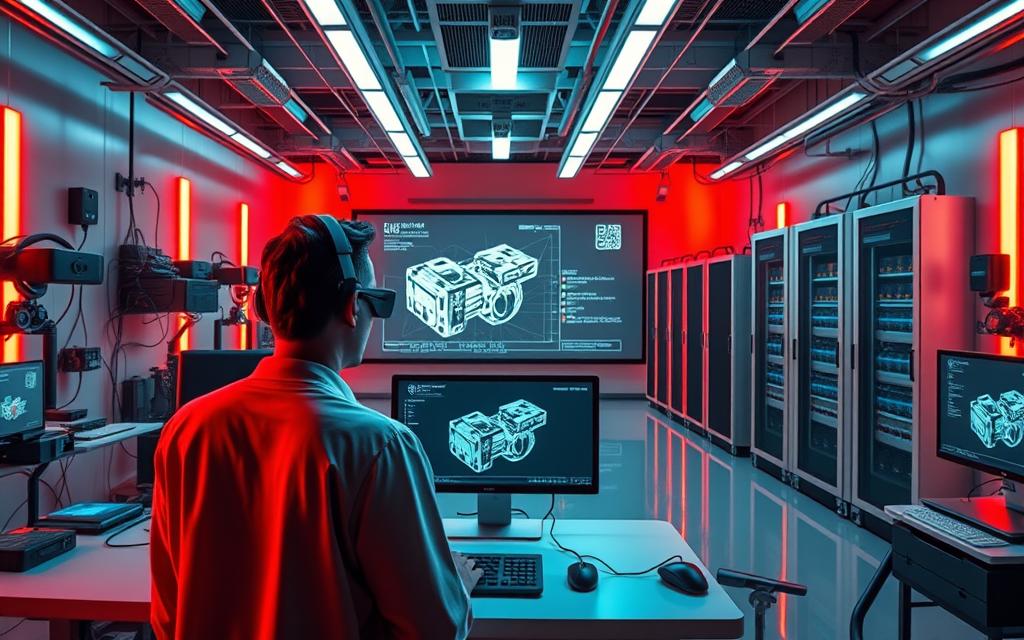
The relationship between simulations and real-world systems is crucial. Simulations aim to replicate the behavior of these systems under various conditions, providing insights into potential outcomes. Concepts like model fidelity, validation, and verification are essential in ensuring that simulations accurately represent real-world systems.
| Aspect | Description | Importance |
|---|---|---|
| Model Fidelity | Accuracy of the simulation model in representing the real-world system. | High |
| Validation | Process of ensuring that the simulation model accurately represents the real-world system. | High |
| Verification | Process of ensuring that the simulation model is implemented correctly. | High |
The Evolution of Simulation Technology
From its early beginnings to the current state-of-the-art, simulation technology has come a long way, driven by advancements in computing power. The development of simulation technology has been a gradual process, influenced by various factors over time.
Historical Milestones
The history of simulation technology is marked by significant milestones. In 1943, ENIAC, the first digital computer, was developed for ballistic trajectory calculations. Two years later, Jon Von Neumann developed the “merge sort” algorithm, which was integrated into one of the first computer simulation programs. In 1952, John McLeod founded the first Simulation Council, now known as the Society for Computer Simulation (SCS). By 1961, IBM presented the “Gordon Simulator” to Norden, a systems design company.
| Year | Milestone |
|---|---|
| 1943 | ENIAC development |
| 1945 | Jon Von Neumann’s “merge sort” algorithm |
| 1952 | Founding of the first Simulation Council |
| 1961 | IBM’s “Gordon Simulator” |
Modern Developments
Modern simulation technology has seen significant advancements, including the emergence of specialized simulation software, cloud-based simulation platforms, and real-time simulation capabilities. The impact of graphics processing units (GPUs), parallel computing, and distributed systems has expanded the capabilities of simulation technology, making it more accessible across various industries over time.
How Computer Simulations Work
To grasp the mechanics of computer simulations, it’s essential to break down the process into its fundamental components. A computer simulation calculates the system’s state at a given time (t), then progresses to t+1, and so on, ultimately saving the sequence of variables as large datasets for visualization.
Step-by-Step Process
Developing a computer simulation involves several key steps: defining the objective, choosing parameters, writing the algorithm to generate random outcomes, running the simulation, and analyzing the results. This systematic approach ensures that simulations are conducted efficiently and effectively.
The Role of Data in Simulations
Data input significantly affects the success of a simulation. For instance, a population growth simulation requires accurate birth and death rates. If these values are incorrect, the predictions will not match real-world observations. Thus, the quality of data is crucial for the accuracy and reliability of simulations.
Key Components of Simulation Technology
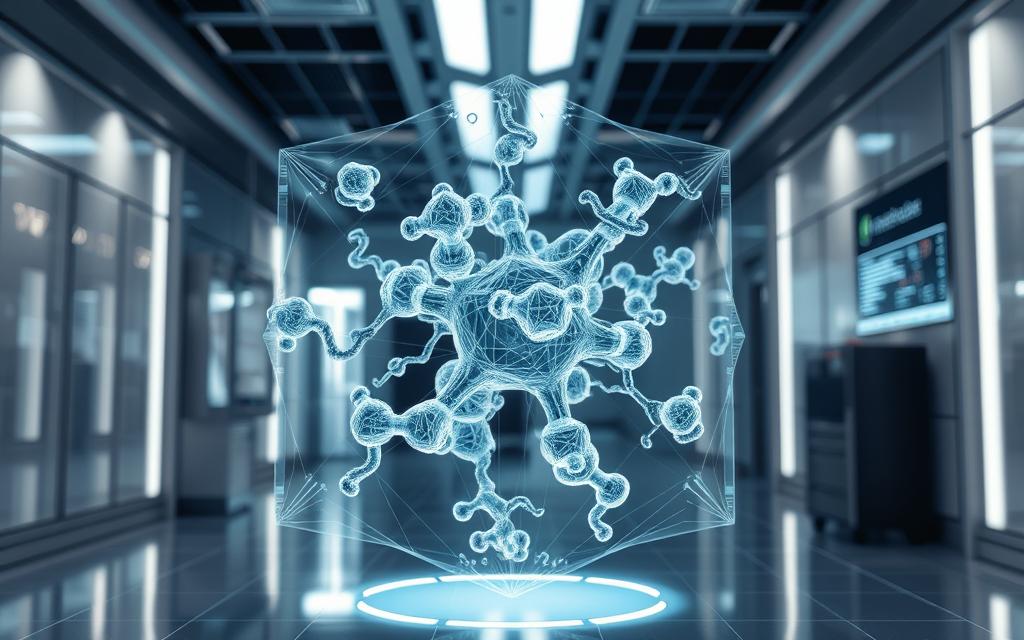
The architecture of simulation technology involves a complex interplay between hardware and software components. Effective simulation requires a robust infrastructure that can handle complex computations and data processing.
Hardware Requirements
Simulation technology demands significant computational resources. High-performance computing systems are often necessary for complex simulations, providing the required processing power and memory. Basic computing resources can suffice for simpler simulations, but more intricate models necessitate advanced hardware. The relationship between computational power and simulation fidelity is crucial, as more powerful hardware enables more detailed and accurate simulations.
| Hardware Component | Description | Importance |
|---|---|---|
| Processors | High-performance CPUs or GPUs | Critical for computation speed |
| Memory | RAM and storage capacity | Essential for handling large datasets |
| Graphics Cards | Dedicated graphics processing units | Important for visualization and 3D rendering |
Software and Programming Languages
The software ecosystem for simulation technology is diverse, encompassing specialized simulation platforms, programming environments, and visualization tools. Programming languages such as Python and C++ are commonly used in simulation development, offering flexibility and performance. Modern simulation software often features user-friendly interfaces, including windows interfaces and pop-up menus, making it more accessible to non-specialists. For more information on the fundamentals of information technology that underpin simulation technology, visit this resource.
Real-World Applications of Computer Simulations
The versatility of computer simulations is evident in their widespread adoption across multiple sectors, from engineering to healthcare. These simulations enable industries to test, optimize, and validate products and processes virtually, reducing the need for physical prototypes and accelerating development cycles.
Engineering and Product Design

In engineering and product design, computer simulations are used for virtual prototyping, testing, and optimization. For instance, automotive manufacturers use crash simulations to improve vehicle safety, while aerospace companies simulate flight conditions to optimize aircraft performance.
Medical and Healthcare Applications

Computer simulations are increasingly used in medicine for surgical training, procedure planning, and drug development. Simulations help medical professionals practice complex surgeries and predict patient outcomes, improving overall healthcare quality.
Environmental and Climate Modeling
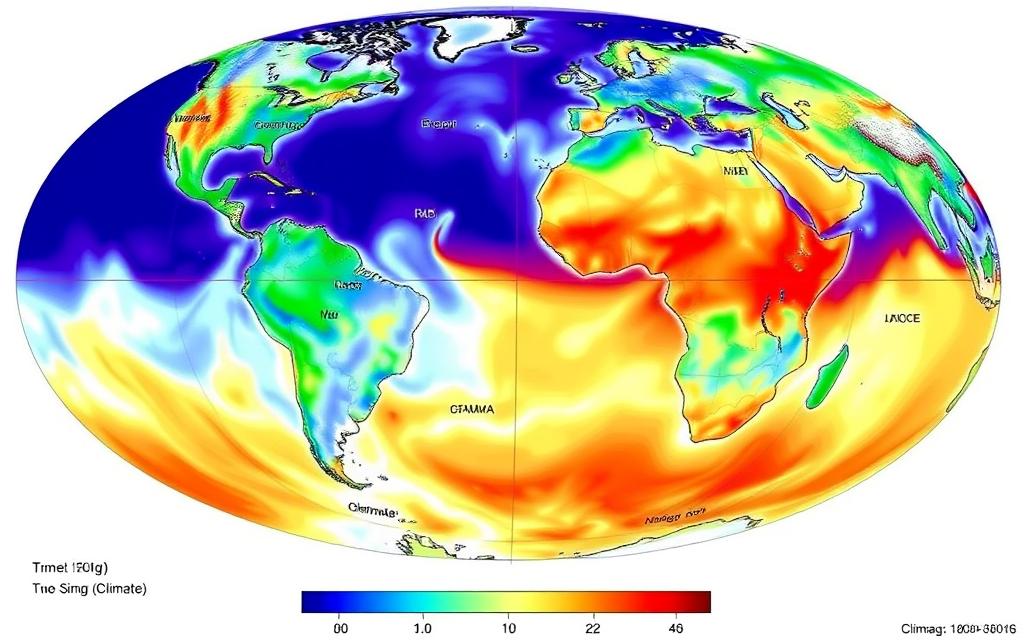
Researchers use computer simulations to model complex environmental systems, such as weather patterns and climate change. These simulations help scientists understand and predict the impacts of climate change, informing policy decisions and mitigation strategies.
Computer Simulations in Scientific Research
The application of computer simulations in science has opened new avenues for understanding intricate systems. Researchers utilize these simulations to model complex phenomena, test hypotheses, and predict outcomes.
Physics and Astronomy Simulations
In physics and astronomy, computer simulations are used to study phenomena across vast scales. For instance, researchers have modeled black holes to observe Hawking radiation. A recent study in 2024 by researchers in the Netherlands successfully simulated a black hole’s event horizon, potentially shedding light on the reconciliation of general relativity and quantum mechanics.
Biological and Chemical Systems
Computer simulations are also pivotal in understanding biological and chemical systems. They are used to model protein folding, cellular processes, and molecular dynamics. These simulations provide insights into reaction mechanisms and material properties, aiding scientists in their research.
| Field | Application of Computer Simulations |
|---|---|
| Physics and Astronomy | Modeling black holes, cosmic microwave background |
| Biology and Chemistry | Protein folding, molecular dynamics, cellular processes |

Business and Economic Applications
Businesses and economic institutions are leveraging simulation technology to optimize operations and inform strategic decisions. By using advanced simulations, companies can model complex systems and predict outcomes, thereby reducing cost and improving efficiency.
Market and Financial Simulations
Market and financial simulations enable organizations to model consumer behavior, market dynamics, and investment scenarios. Financial institutions use these simulations for risk assessment, portfolio optimization, and stress testing in response to regulatory requirements. This helps businesses make informed decisions and mitigate potential risks.

Supply Chain and Logistics Optimization
Simulation technology is also applied in supply chain and logistics to optimize complex networks of suppliers, manufacturers, distributors, and retailers. By analyzing data and simulating different scenarios, businesses can identify the most efficient supply chain configurations, reducing costs and improving delivery times. This application of simulation technology is transforming the industry by enabling companies to test operational changes virtually before implementing them, thus minimizing disruption.
| Application | Benefits |
|---|---|
| Market Simulations | Improved risk assessment, portfolio optimization |
| Supply Chain Optimization | Reduced costs, improved delivery times |
“Industry is embracing simulation at a faster rate than ever before and connecting it to what I would call data analytics for things like scheduling and supply chain management,” Macal said. “Industry is trying to simulate everything they do because they realize it’s cheaper and quicker than actually building a prototype system.”
Benefits and Limitations of Simulation Technology
Computer simulations have become an indispensable tool in various fields, offering a balanced view of their benefits and limitations. Simulations are incredibly useful when real-world experiments are impractical, too expensive, or too dangerous.
Advantages of Using Simulations
The key advantages of using simulations include cost reduction, risk mitigation, and time savings. Simulations enable iterative design and testing processes, leading to higher quality outcomes and more robust solutions. For instance, crash tests on cars can be simulated first to reduce both risks and costs.
Potential Drawbacks and Challenges
Despite these benefits, simulations come with limitations. They can contain bias based on the elements included or left out, affecting the model and the results. It’s crucial to examine these choices when interpreting simulation findings to ensure accuracy and reliability.

The Future of Computer Simulation Technology
Computer simulation technology is on the cusp of a new era, with emerging trends and innovations. As technology advances, simulations are becoming increasingly sophisticated, enabling scientists and researchers to tackle complex challenges.
Emerging Trends and Innovations
Advances in computing power, including quantum computing and exascale systems, are expanding the scope and capabilities of simulation technology. Methodologies like multi-scale modeling are enabling simulations to span multiple levels of detail simultaneously, providing a more comprehensive understanding of complex systems.
Integration with AI and Machine Learning
The integration of artificial intelligence and machine learning with simulation technology is creating hybrid approaches that combine data-driven and physics-based modeling. This enables simulations to learn from data, adapt to new information, and potentially discover novel insights that traditional simulations might miss.
| Trend | Description | Impact |
|---|---|---|
| Quantum Computing | Advanced computing power for simulations | Increased accuracy and speed |
| Multi-scale Modeling | Simulations across multiple levels of detail | Better understanding of complex systems |
| AI and ML Integration | Hybrid approaches for data-driven modeling | Novel insights and adaptability |
Conclusion
In conclusion, computer simulation technology stands as a pivotal tool in understanding complex systems across various disciplines. Throughout this article, we’ve explored its definition, core concepts, and diverse applications in fields such as scientific research, engineering design, business optimization, and healthcare.
The simulation technology has transformed our approach to problem-solving and decision-making, offering numerous benefits including cost reduction, risk mitigation, and accelerated innovation. While acknowledging its limitations, ongoing advances are addressing these challenges, paving the way for even more sophisticated computer simulations in the future.
As technology continues to evolve, computer simulation will become an increasingly essential way of understanding and interacting with our complex world. With its vast potential, it’s clear that simulation will remain a cornerstone in the development of innovative solutions.
FAQ
How do algorithms impact the accuracy of simulation models?
The choice of algorithm significantly affects the accuracy of simulation models, as it determines how the model processes data and generates results. A well-designed algorithm can improve the model’s accuracy, while a poorly designed one can lead to errors.
What role do simulations play in engineering and product design?
Simulations are crucial in engineering and product design, as they enable the testing and optimization of products in a virtual environment, reducing the need for physical prototypes and minimizing costs. This allows for the creation of more efficient and effective products.
How are simulations used in environmental and climate modeling?
Simulations are used to predict and analyze environmental and climate phenomena, such as weather patterns and climate change. These simulations help researchers understand complex systems and make informed decisions about mitigation and adaptation strategies.
Can simulations be used to predict market trends and financial outcomes?
Yes, simulations can be used to predict market trends and financial outcomes by analyzing data and modeling different scenarios. This enables businesses to make informed decisions about investments and risk management.
What are the hardware requirements for running complex simulations?
Complex simulations require significant computational resources, including high-performance processors, large amounts of memory, and advanced storage systems. Specialized hardware, such as graphics processing units (GPUs), can also be used to accelerate simulations.
How do simulations contribute to scientific research in physics and astronomy?
Simulations play a vital role in scientific research in physics and astronomy, enabling researchers to model complex phenomena and make predictions about experimental outcomes. This helps to advance our understanding of the universe and drive innovation.
What are the limitations of simulation technology?
While simulation technology has many benefits, it also has limitations, including the need for accurate data and models, as well as the potential for errors and biases. Additionally, simulations can be computationally intensive and require significant resources.
How will simulation technology evolve in the future?
Simulation technology is expected to continue evolving, driven by advances in artificial intelligence, machine learning, and other emerging technologies. This will enable more accurate and efficient simulations, as well as new applications and use cases.
